
FTC Extends Enforcement Date of Red Flags Rule
Client Alert | 1 min read | 08.03.09
The Federal Trade Commission (the "FTC") announced that it has postponed enforcement of the Red Flags Rule1 until November 1, 2009. This is the third enforcement extension by the FTC. The Red Flags Rule became effective January 1, 2008 and the mandatory enforcement date was originally November 1, 2008. The FTC suspended enforcement of the Rule until May 1, 2009 and subsequently suspended enforcement until August 1, 2009.2
The Red Flags Rule requires financial institutions and creditors to look for "red flags" that signal possible identity theft. The FTC announced that it has provided this additional extension since small businesses and entities with a low risk of identity theft remain uncertain of their obligations. The FTC intends to provide additional guidance to assist these companies. The FTC explained in a July 29th press release that these steps are consistent with the House Appropriations Committee's request that the FTC defer enforcement in conjunction with additional efforts to minimize the burden on health care providers and small businesses with a low risk of identity theft problems.
Please let us know if you have any questions or if we can help you in crafting a compliant Program.
1 72 Fed. Reg. 63717, 63771-63775 (Nov. 9, 2007) (codified at 16 C.F.R. Part 681).
2 The enforcement delay does not apply to the address discrepancy and credit card issuer rules. These rules are not addressed in this Health Law Alert.
Insights
Client Alert | 3 min read | 06.12.26
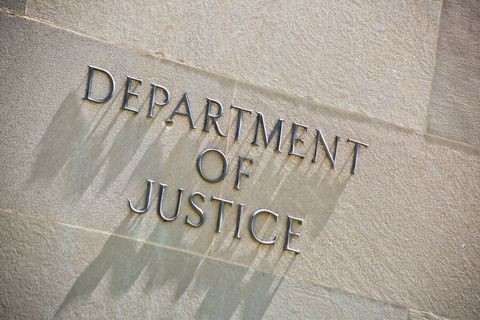
DOJ Guidance Backs Away From Disparate Impact Liability
On June 9, 2026, the U.S. Department of Justice (DOJ) issued a formal opinion concluding that the Equal Opportunity Employment Commission’s (EEOC) existing interpretations of Title VII of the Civil Rights Act of 1964 (Title VII) disparate-impact liability, including the Uniform Guidelines on Employee Selection Procedures (UGESP), are unconstitutional. According to the opinion, EEOC’s prior interpretations contemplate liability based on disproportionately adverse effects alone, without regard to an employer’s likely intent, rather than treating disparate impact as an evidentiary mechanism to “smoke out” intentional discrimination. DOJ found that this approach functions as a “qualified racial-proportionality mandate” that places “a racial thumb on the scales, often requiring employers to evaluate the racial outcomes of their policies, and to make decisions based on (because of) those racial outcomes.” The opinion fulfills one mandate of Executive Order 14281, which rejected disparate-impact liability insofar as it “creates a near insurmountable presumption that unlawful discrimination exists wherever there are any differences in outcomes among different [demographic groups].”
Client Alert | 4 min read | 06.12.26
Auto Dealers: The FTC Is Back in the Driver’s Seat — Warning Letters Signal Renewed Federal Scrutiny
Client Alert | 13 min read | 06.12.26
Client Alert | 4 min read | 06.12.26
